
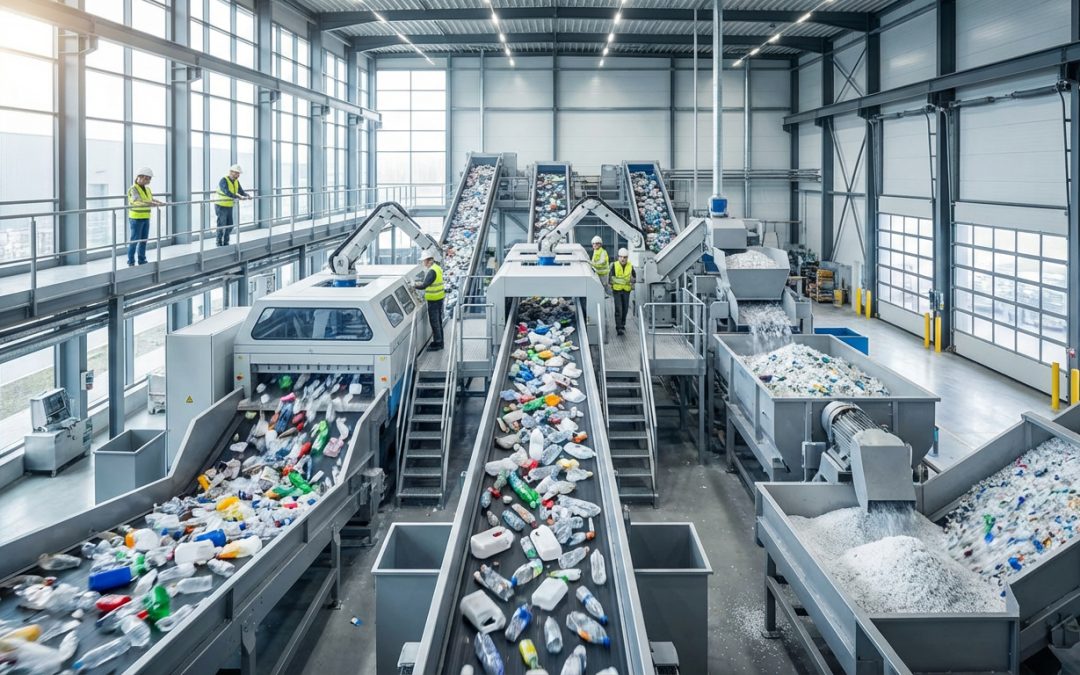
Extended Producer Responsibility, or EPR, is a policy approach that shifts part of the responsibility for a product’s end-of-life back onto the company that made it, rather than leaving disposal entirely to governments, waste operators, and consumers.
Why It Matters for an Island Nation
In the Maldives, imported packaging and single-use products eventually become waste on islands with limited land and limited waste infrastructure. Without a system that involves producers, the cost and burden of managing that waste falls disproportionately on local councils and waste operators.
What We’re Building
Working with Adelphi, we are developing a national EPR framework for the Maldives. The project focuses on three things: designing a practical EPR system suited to Maldivian conditions, defining clear roles and financing mechanisms between producers, government, and waste operators, and producing an action plan for phased implementation.
Shared Responsibility, Shared Solutions
Done well, an EPR system creates a shared incentive: producers are motivated to reduce and rethink packaging, government sets the rules and oversight, and waste operators get more sustainable funding for collection and recycling. No single actor carries the full weight of the waste problem alone.
This work is ongoing. Follow our Projects page for updates as the framework moves toward implementation.